
DGSA Training Courses
From the very first Dangerous Goods Safety Advisor courses in 1999 to the present day, Enterprise has led the field in dangerous goods training — and we’ve never cancelled a course.
- 5 days of live, instructor-led sessions
- Same-day access to our online resource centre
- Printed question bank of 100+ practice questions
- Prepares you for Core, All Classes & Road papers
- Tutor support outside the classroom
What Is a Dangerous Goods Safety Advisor?
Since 1 January 2000, any company whose activities involve the carriage, packing, loading, filling or unloading of dangerous goods has been legally required to appoint a Dangerous Goods Safety Advisor (DGSA). The DGSA is the competent person who keeps a business compliant and safe every day it moves hazardous goods.
The DGSA can be one of your own employees or an external consultant. Either way, they must hold a Vocational Training Certificate (VTC), gained by passing the official examinations administered by Qualifications Scotland.
The Qualification: Three Papers
To qualify, a candidate must pass examinations in:
- Core — the regulatory framework, DGSA duties, classification, documentation and general provisions.
- All Classes — the specific provisions for every one of the nine UN hazard classes.
- A Transport Mode paper — Road, Rail or Inland Waterway.
All three papers must be passed within a 12-month period. As the overwhelming majority of dangerous goods travel by road, that is the mode we concentrate on. At a typical quarterly sitting of around 200 UK candidates, fewer than ten sit Rail or Inland Waterway, making publishing a schedule of courses commercially unviable. We arrange training for those modes on request, subject to instructor availability.
Does Your Business Need a DGSA?
If your operation consigns, packs, loads, fills, carries or unloads dangerous goods by road, rail or inland waterway, you almost certainly need access to a qualified DGSA — whether an employee or an appointed consultant.
Who must appoint one
- Consignors sending dangerous goods
- Carriers & hauliers transporting them
- Packers, loaders, fillers & unloaders
- Freight forwarders & 3PL warehouses
- Fuel, chemical & waste operators
- Storage sites within the transport chain
The 2023 consignor change
Companies acting only as consignors were historically exempt. Amendments made in 2019 to the Carriage of Dangerous Goods Regulations (ADR/RID and the UK CDG & TPE Regulations) changed that: from 1 January 2023, consignor-only businesses must also appoint a DGSA. If you package or send hazardous goods and haven’t reviewed your position, now is the time.
When you may be exempt
- Only ever handling limited or excepted quantities
- Staying below the “small load” thresholds in ADR 1.1.3.6
- Only occasional movements, e.g. breakdown recovery
- Emergency, military or police carriage
Even where exempt, many firms still appoint a DGSA to satisfy customer audits and insurers. If in doubt, ask us for a free, no-obligation assessment.
What a DGSA actually does
- Monitors day-to-day compliance with the dangerous goods regulations
- Investigates incidents, near-misses and infringements, recording corrective action
- Prepares the mandatory annual dangerous goods report for senior management
- Advises on packaging, labelling, documentation, vehicles and subcontractors
- Checks staff training records and recommends refresher programmes
- Reviews emergency procedures and transport security plans
The DGSA Role, Explained by the DfT
The Department for Transport’s short film gives a clear overview of the consignor rule change and the wider responsibilities of a Dangerous Goods Safety Advisor — a useful starting point if you’re deciding whether your business needs one.

Top-Quality DGSA Training Since 1999
We developed our first DGSA course in 1999 and have been training advisors ever since. Here’s why candidates and employers choose us.
Dangerous Goods Specialists
Alongside our DGSA reputation, we’re one of the UK’s largest trainers of ADR drivers. Dangerous goods are what we do.
We Never Cancel
If numbers are low, others cancel and leave you in limbo. We never have — when you book, your course runs.
Genuine Flexibility
Multiple instructors deliver our DGSA courses, so illness or a departure never derails your sitting — the course goes ahead.
Online Resource Library
Every candidate gets same-day access to a full online resource library to support their development from the moment they book.
5 Days of Live Courses
A four-day live “Zoom” course plus a full day of mock examinations — real teaching, real practice, not a slide deck.
100+ Question Bank
You receive a printed book of over 100 practice questions by post, so you can measure progress and keep improving.
On-Site Closed Courses
Enough candidates in your business? We’ll bring the course to your premises and tailor examples to your operation.
Free Demo
We’re proud of what we offer and would love to show you. Ask for a free, no-obligation demonstration.
What You’ll Learn
Our course equips you with the skills to pass the DGSA examinations and to perform the role in practice. Content follows a logical progression — from identifying whether a substance is dangerous, through to how it must be safely packaged, labelled and transported.
The DGSA Regulations
The legal framework, scope and where the DGSA sits within it.
What Is a Dangerous Good?
Recognising regulated substances and articles.
Classification
Assigning the correct class, UN number and packing group.
Packaging
Packagings, IBCs, large packagings and UN specification marking.
Labelling
Marks, hazard labels and package-level requirements.
PPE & Safety Equipment
What must be carried and worn, and when.
Vehicle Selection & Equipment
Choosing compliant vehicles and required on-board equipment.
Vehicle Marking & Labelling
Placarding, orange plates and vehicle-level requirements.
Driver & Staff Training
What training your people need and how to evidence it.
Role & Responsibilities of the DGSA
Duties, the annual report and incident handling.
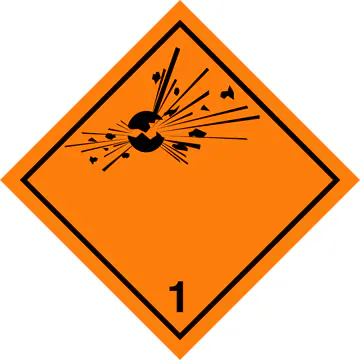
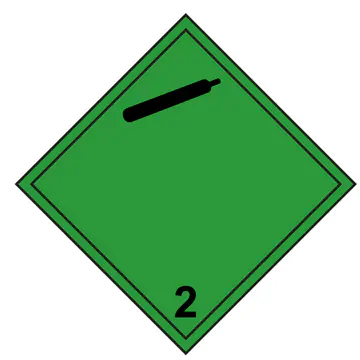
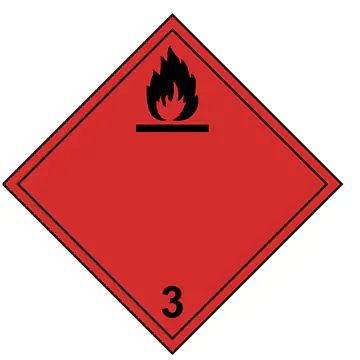
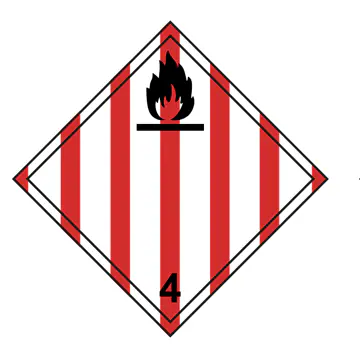
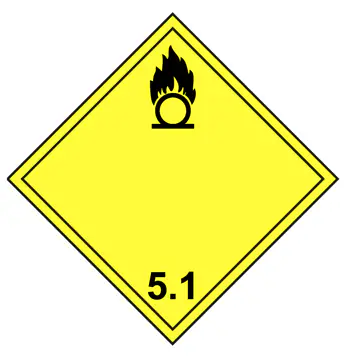
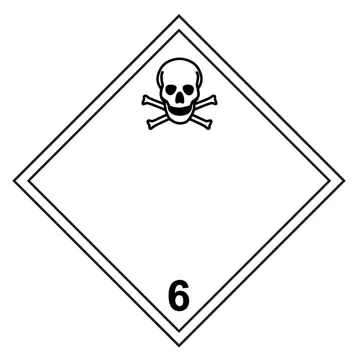
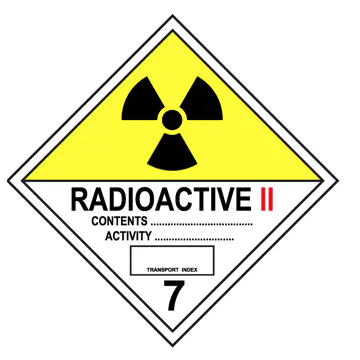
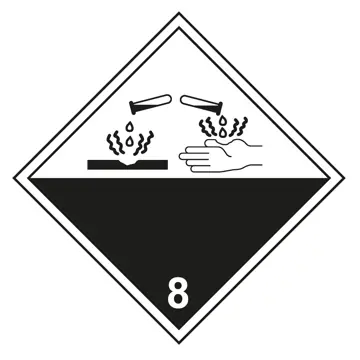
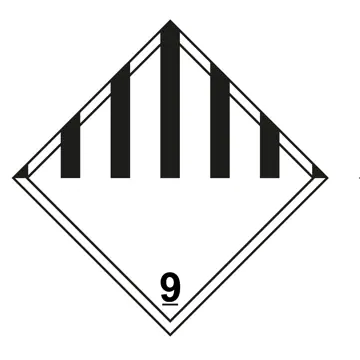
The Nine UN Hazard Classes You’ll Master
The “All Classes” paper covers every one of the nine classes below.
How the DGSA Exam Works
The examinations are open-book and sat on the same day. You take the permitted reference materials into the exam room with you — this is not a memory test. It rewards candidates who know how to find and apply the right information under time pressure.
The three papers & how long they take
- Core — 1 hour 15 minutes. Short responses to individual questions.
- All Classes — 1 hour 45 minutes. A mix of short responses and “linked scenario” questions.
- Road (Mode) paper — 1 hour 45 minutes. A case study (you choose which) plus compulsory short-response questions.
You must pass all three within a 12-month period to qualify.
What you can take into the exam
For the Road examinations you’re permitted the current editions of:
- ADR 2025 Volumes 1 & 2
- The Carriage of Dangerous Goods & Use of Transportable Pressure Equipment Regulations
- Carriage of Dangerous Goods: Approved Derogations & Transitional Provisions
- The Dangerous Goods Emergency Action Code (EAC) List, 2025 edition
Inland Waterway candidates require ADN; Rail candidates require RID. Editions must always be the current ones — previous editions are not permitted.
Are electronic versions or devices allowed?
No. The use of all electronic equipment, including CD-ROMs, tablets and phones, is not allowed. Your reference materials must be the printed, current editions.
When do I qualify, and how long does it last?
Your certificate runs from the date of the last paper passed and lasts five years. You must pass all three papers within a rolling 12-month window. Before expiry, you re-qualify by re-examination.
Why Smaller Groups Get Better Results
We cap our DGSA courses at a maximum of 12 candidates. It’s a deliberate choice: the DGSA is a demanding qualification, and the single biggest factor in passing is how much focused instructor time each person gets. A smaller room means more of it.
More instructor time each
With a capped group, the tutor can work through the papers with every candidate individually — not just the confident few — and spot where you’re going wrong before exam day.
Every question answered
Dangerous goods throws up endless “but what about…” scenarios. In a small group there’s time to answer them in the room, using real examples relevant to your own operation.
Pace tuned to the group
Rather than racing a large cohort through fixed slides, we can slow down on the tricky areas — classification, segregation, documentation — and move faster where the group is comfortable.
Condensed learning, delivered to a small group by an experienced instructor, is how we keep our first-time pass rates high — and why so many candidates and employers come back to us.
Upcoming Course Dates
Our five-day course runs the week before each quarterly exam, so everything is fresh going into the papers. Book any sitting below and you get same-day access to the online resource centre.
All courses £886.80 inc VAT (£739 + VAT). Exam venues are confirmed on a sitting-by-sitting basis — we’ll advise your options when you book.
What’s Included at £739 + VAT
Book Your PlaceStart Studying the Day You Book
Book your place and you get same-day access to our online resource centre — no waiting for the course to begin. The live teaching then brings it all together:
- A complete online resource library to support your study from day one
- Four days of live, instructor-led “Zoom” training
- A full day of mock examinations under timed conditions
- 100+ exam style questions posted to you to practise on

What Our Candidates Say
Real, verified reviews from recent DGSA candidates — click Verify on any card to view it on Trustpilot.
Trusted by Dangerous Goods Drivers & Operators
We’re also one of the UK’s largest ADR trainers. Here’s what drivers and fleets say about our wider dangerous goods training.
Training a Team? Bring the Course to You
If your business has enough candidates, we’ll run a closed course at your premises and tailor the examples to your own operation, products and procedures. It’s often the most cost-effective route once you have several people to qualify — and it keeps your team on-site.
On-site & tailored
Closed courses at your premises, with examples built around your operation, products and procedures.
Consistent & flexible
The same expert instructors and resources as our public courses, scheduled around your shifts and exam sittings.